Adaptive Foiling with Foil Drive
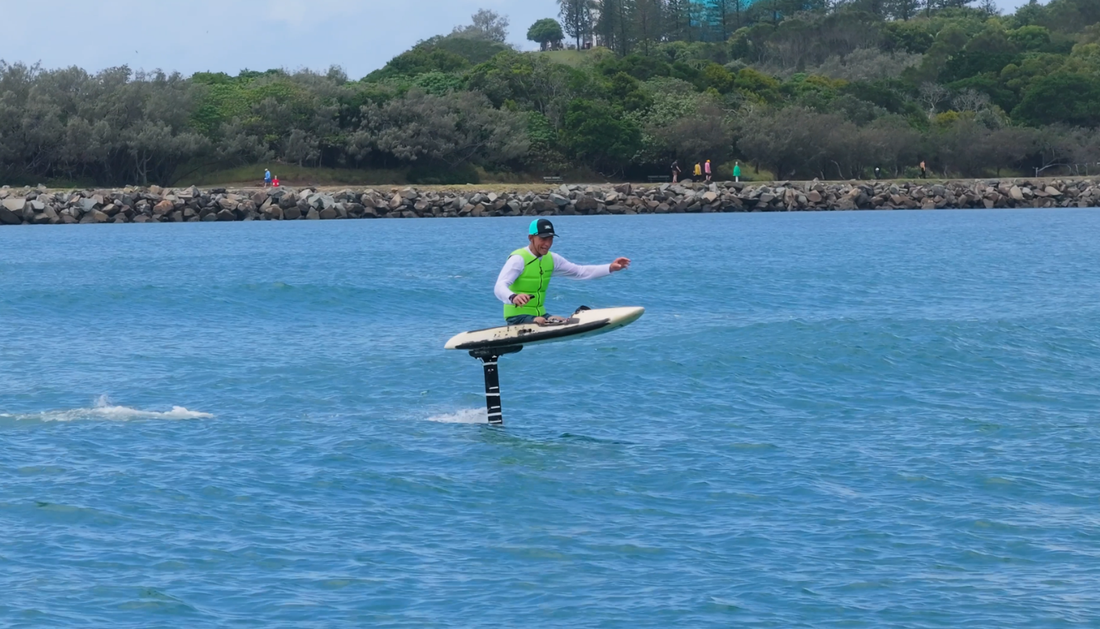
Jason Sauer (Adaptive Rider) & Josh Ku (Foil Drive)
Foiling is about freedom, but the path to that first glide looks different for everyone. In this Q&A, we sit down with Foil Drive pro staff, Josh Ku, and Jason Sauer, a double-amputee and dedicated adaptive foiler, to share the real-world tips he’s learned while pushing the limits of his setup.
After hearing Jason's story through our Driven series, we wanted to provide a space to inspire, and hopefully help others find their own way to enjoy the ocean.
1. Choosing Your Gear: Power is Your Friend
Q: I’m interested in learning to foil. What Foil Drive system should I get?
Jason (Adaptive Perspective): For adaptive foiling, the more power the better. Without the ability to pump or the paddle fitness, you want the strongest unit available. Even as a lighter "anatomically incorrect" human, more power means more run time and easier starts. The Slim unit is great, but that's for rippers trying to simulate prone foiling; for us, we want the grunt of the Foil Drive Assist Max or Fusion.
Josh (Technical Perspective): Depending on your weight and ability to carry your gear to the water’s edge, we recommend the Assist MAX. It’s our most widely used unit because it offers the runtime and power needed to get on foil reliably while remaining mid-weight. Pair it with the MAX High Power Battery and the High Power Motor for maximum efficiency and takeoff ease. Low Range 6 props would also be beneficial when starting to get on foil.
2. The Technical Setup: Pods, Boards & Foils
Q: What pod height and board size should I start with?
Josh: Bigger is always better! You want to be fully afloat. If you weigh 80kg, get at least an 80L board. To begin with a leaner wing board would be great. 6 foot by 21 wide. For your foil, starting at 1000cm² with a large tail and long fuse is safe for stability.
We recommend an 80cm mast and starting with the motor in the "e-foil" position (60cm or 70cm cable depending on mast length). If you want to limit how high above the water you get, a shorter cable of 25-30cm is also a great option but limited height and time on motor.
Jason: If you can, get two cables: e-foil length and a shorter 15-20cm one. The e-foil length is great for practicing being above the water, but the shorter depth actually makes for easier starts. It creates less nose-lift on takeoff because there’s less leverage. If moving your body on the board is difficult, a shorter cable makes it much easier to hold the nose down.
Jason’s Gear Tip: I made the mistake of being a "low-budget egotist" at first, my boards were too low volume and narrow. It made progression so much harder. Choose something that floats you well and has lateral stability.

3. Your First Session: Safety & Strategy
Q: I’ve got the gear, but I’m nervous. What’s the best move?
Jason: Wear buoyancy that isn't too bulky. Even if you can swim, knowing you'll float if an injury occurs is huge for confidence. Also, try not to exhaust yourself on land before you even get wet. If you can, have someone help you get the gear out to mast-deep water so you're fresh for the mount-up.
Josh: Get a lesson! A professional coach will give you the best chance at success. We also have a library of Masterclass videos on YouTube. For safety, always use a helmet, an impact jacket, and a prop guard. If your abilities allow, use a leash so you stay connected to your board.
We also suggest you don’t go out alone, find a buddy to come and spot you, it’s safer and way more fun! Follow make exceptional impact lifejackets while Kaohi Leashes make the best leashes in the foil industry and Vaikobi make amazing ocean safety equipment.
Explore Our Products
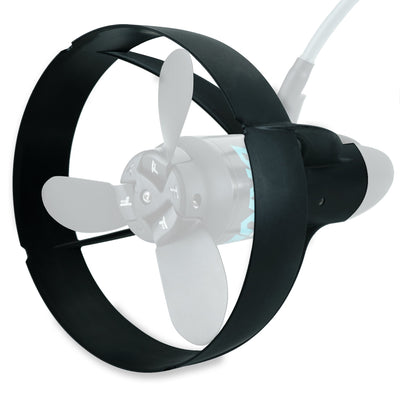
Propeller Guard

KÅohi Leash x Foil Drive Wrist Leash for Throttle Controller

Foil Drive x Vaikobi Impact Protection Bucket Hat

Foil Drive x Vaikobi Impact Protection Bucket Hat

Foil Drive x Vaikobi Impact Protection Cap

Foil Drive x Vaikobi Impact Protection Cap
Q: Where is the best place to go?
Josh: Safe, flat water with easy access. Avoid busy spots, you’ll be falling off a lot on day one!
Jason: Flat water is a must. Avoid outgoing tides near river mouths. If you're solo, make sure the public can see you from the shore. It might feel weird being watched, but it’s good to know someone could call for help if needed.
4. Dialing in the Technique
Q: What is the best way to physically start?
Jason: Starting with a smile! If you can sit without a backrest, starting seated may be easier for level flight than prone. It’s more like a SUP board style than a prone surf technique.
Josh: Whether you lie on your belly or sit like a kayak, just get used to the motor first. Learn to taxi around on the water before you try to fly. Get a feel for the sensitivity of the throttle, how to fall and get back up and where your weight is positioned.

5. Advanced Adjustments
Q: Does mast position really matter?
Jason: It’s vital. The further back the mast, the easier it is to hold the nose down on takeoff. If you’re seated and wearing a belt, you can’t shuffle your weight to trim the foil, so that mast position is your only lever. Start with the mast further back, and if the nose is still popping up too fast, move it even further.
Josh: You can also look to DIY retrofit your board to add small handles to the board to help leverage yourself up while keeping your balance.
Final Thoughts from Jason:
-
Large foil, large board. Don't let your ego choose your gear.
-
Take a lesson. Two weeks of trial and error can be solved in two hours with a coach.
-
Don’t be afraid to ask for help. Independence on the water is the goal, but getting there is a team effort.
-
Do it with a smile. You’re out there to have fun, take the failures with the success!

Looking for more of the community in foiling please check out these Facebook groups: